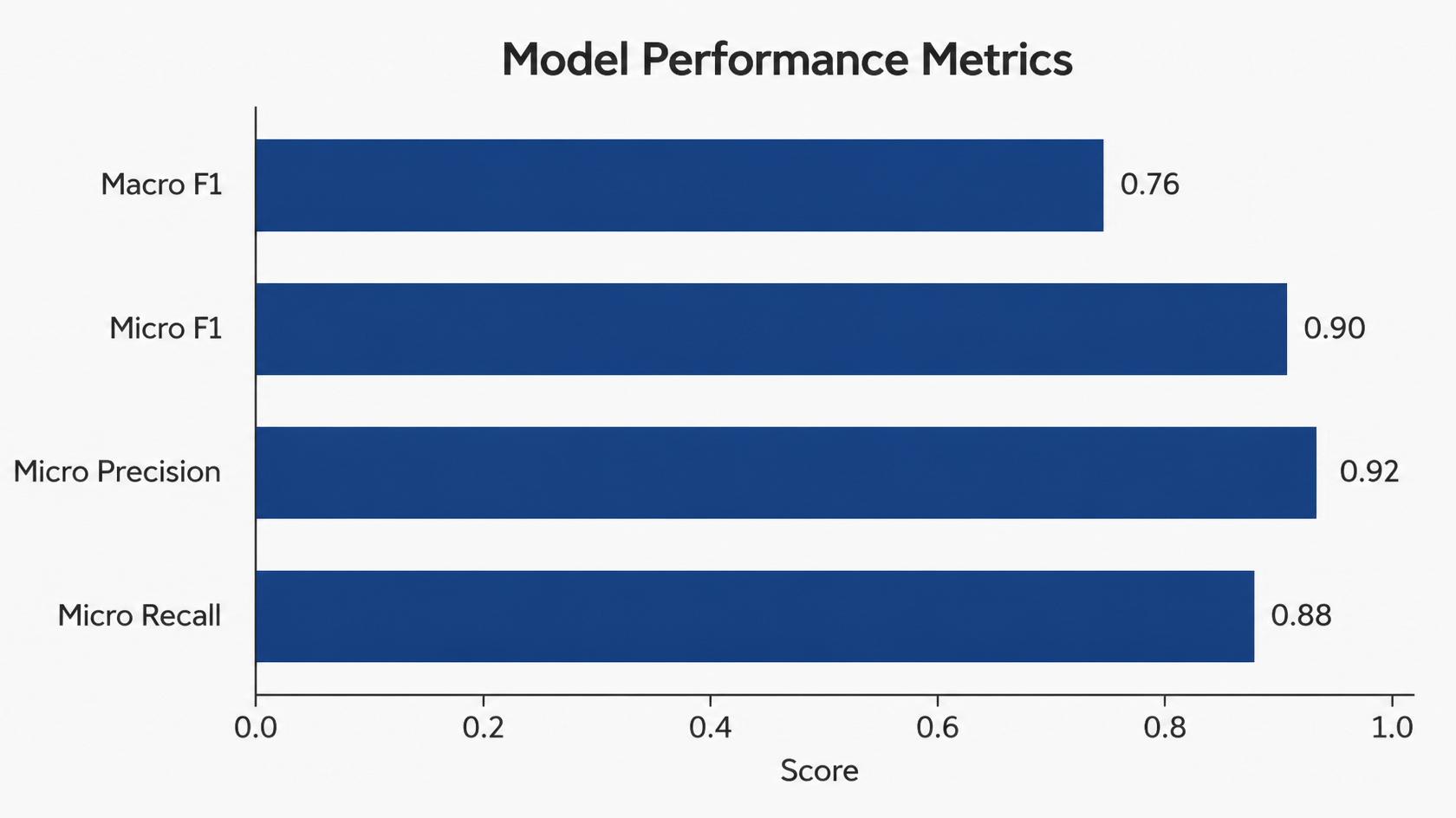
Macro F1
0.973
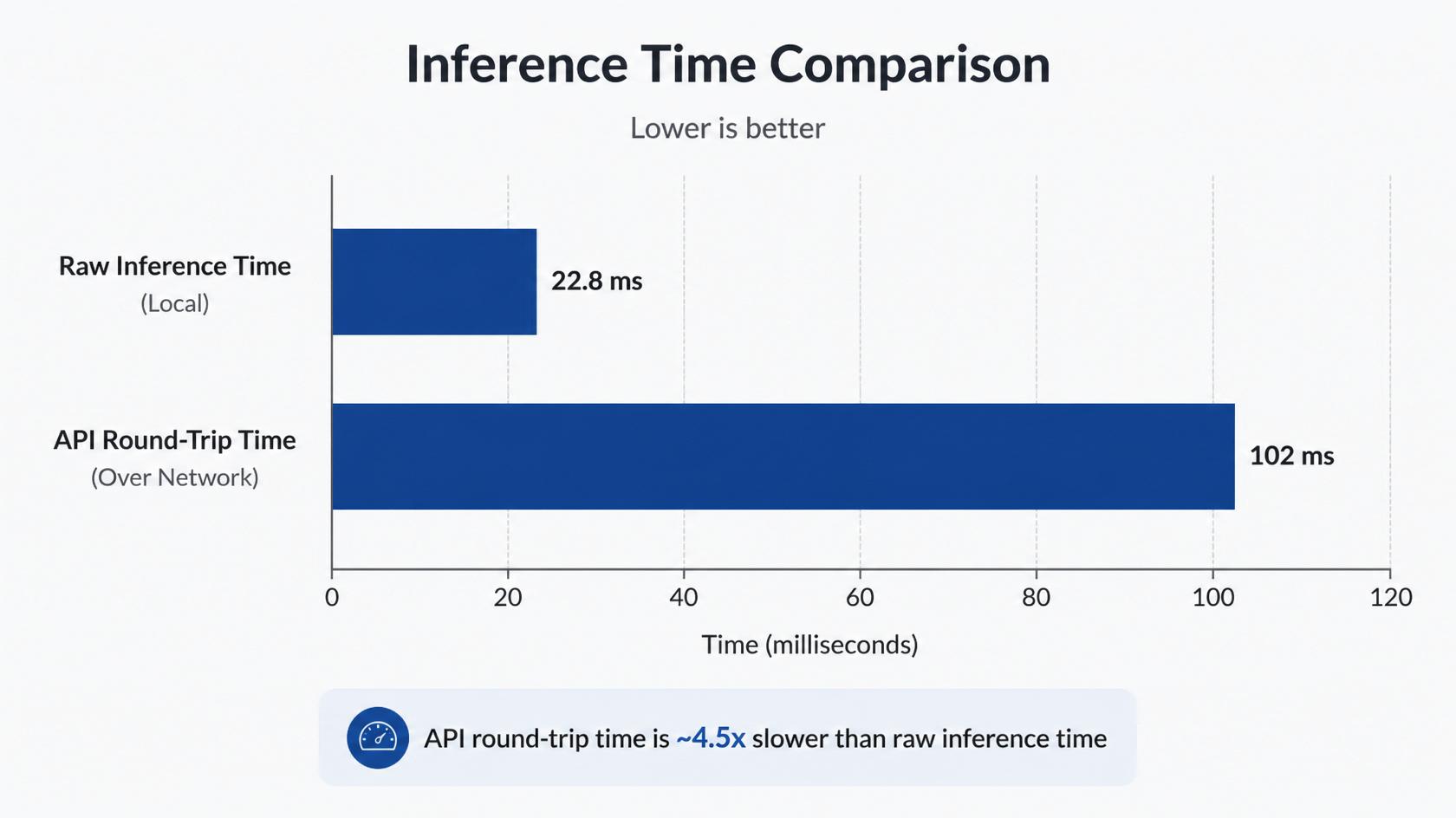
Raw inference
~22.8ms
API round trip
~102ms
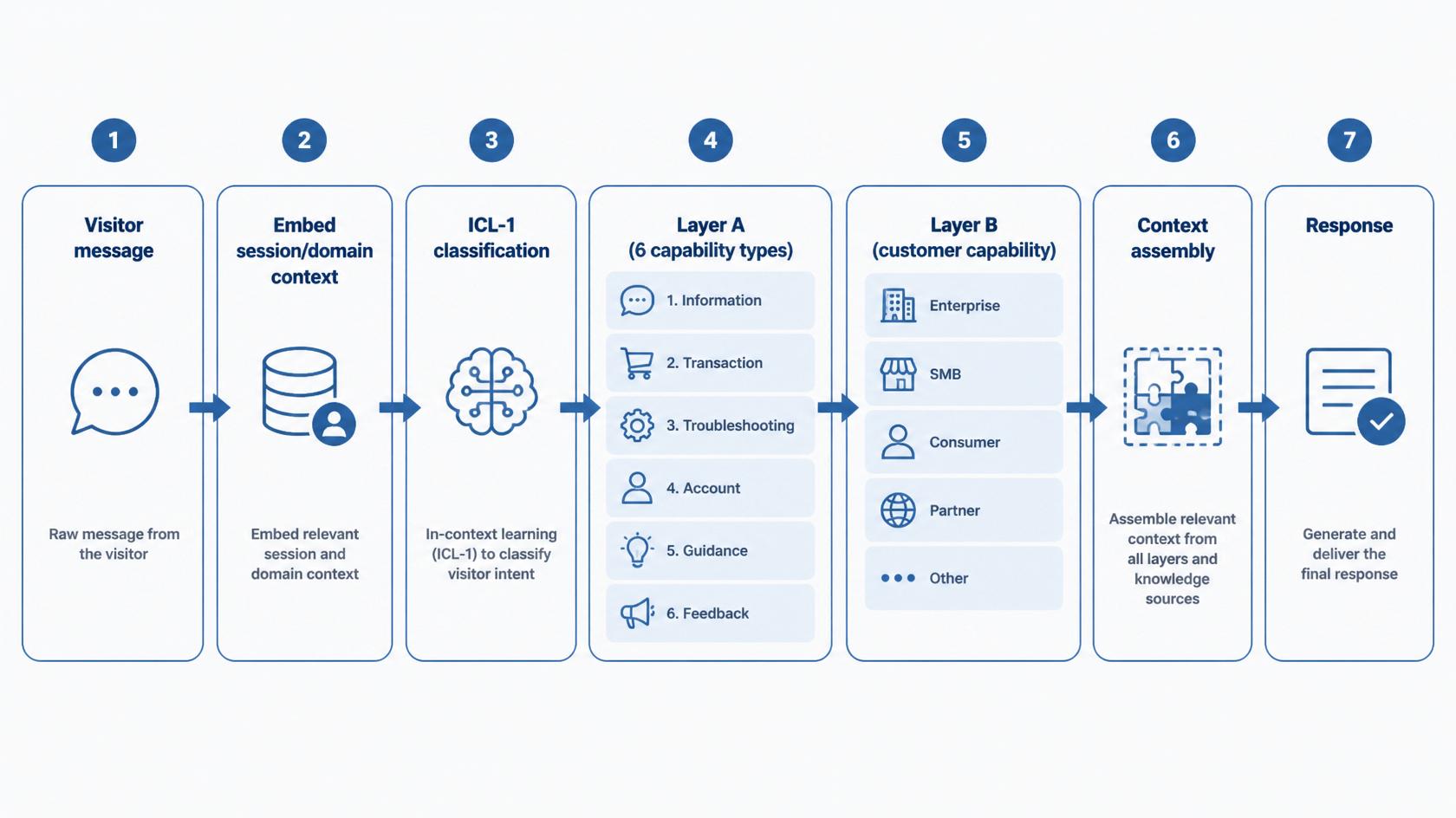
Visitor message
-> Embed session and domain context
-> ICL-1 capability classification
-> Layer A: KNOWLEDGE | COMMERCE | ACTION | ESCALATION | CLARIFICATION | GENERAL_CHAT
-> Layer B: customer-configured knowledge, feed, tool, or handoff
-> Context assembly
-> Main Atina response generation
-> Embedded assistant answer
Overview
ICL-1 stands for Intelligent Capability Locator v1. It was built for the embedded Atina agent, where every visitor message must be routed before Atina decides what evidence or action is needed. Instead of asking the main LLM to guess everything, ICL-1 classifies the message into stable capability types, then the orchestrator selects the customer-specific capability instance configured for that website. This keeps the public model simple: ICL-1 does not generate user responses, extract private account details, or execute customer tools. It only answers the routing question: which capability should Atina activate next?Capability Model
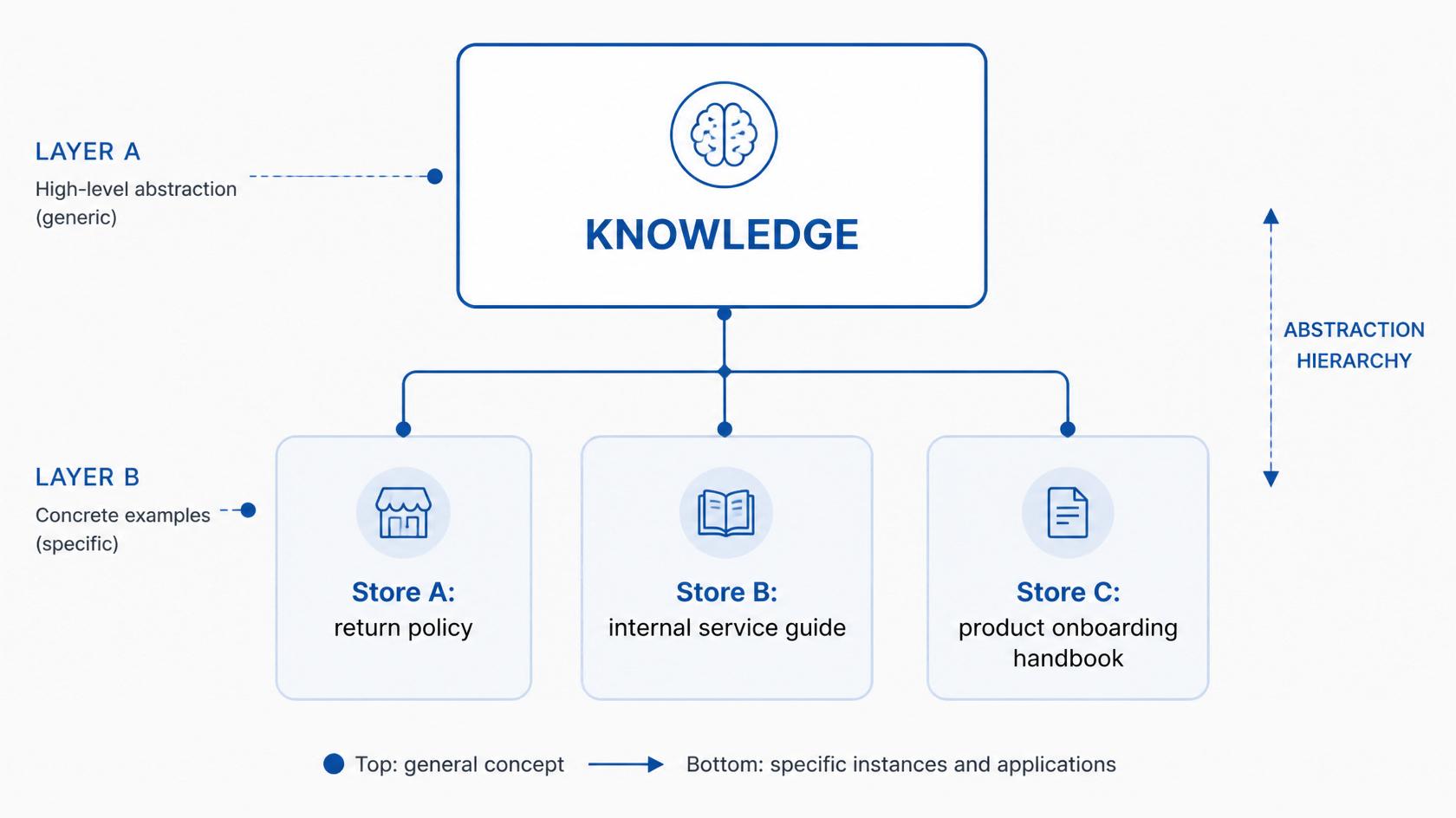
ICL-1 uses six universal Layer A capability types: - KNOWLEDGE: FAQs, policies, documentation, support notes, service details, and brand information. - COMMERCE: product discovery, recommendations, plan comparison, pricing, availability, and catalog search. - ACTION: read-only live lookups such as order tracking, shipment status, account status, appointment confirmation, or transaction status. - ESCALATION: human handoff, urgent complaint handling, sensitive support, or out-of-scope cases. - CLARIFICATION: ambiguous, incomplete, or context-dependent messages that need a follow-up question. - GENERAL_CHAT: greetings, appreciation, session close, and low-risk conversational turns. Layer B is customer-defined. A KNOWLEDGE prediction may route to one store return policy, another company API documentation, or an internal service guide depending on the active embed app and domain configuration.Development Output
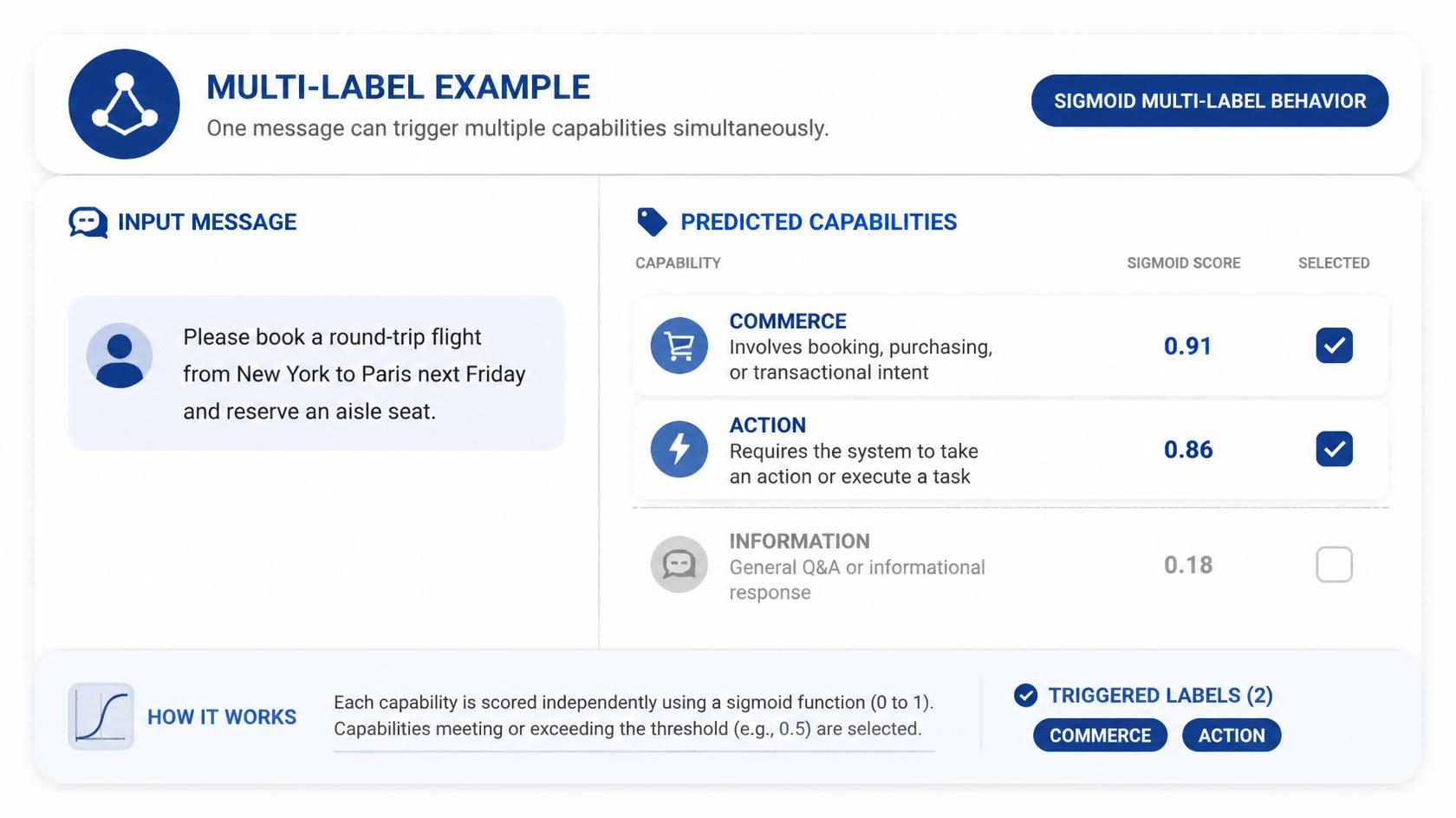
The final ICL-1 build uses a compact, sub-50M-parameter sentence-embedding encoder with a lightweight multi-label classification head, so one message can activate more than one capability at once. Training data was balanced across multiple industry verticals so the router generalizes rather than overfitting to a single use case. The first released evaluation passed our production readiness target with macro F1 around 0.973, micro F1 around 0.973, micro precision around 0.994, and micro recall around 0.953. Raw CPU inference during evaluation was about 22.8ms per request, with local API round-trip testing around 102ms. Those figures are fast enough for the router to sit before response generation without feeling like a separate product step.Integration Result
After integration, the router became part of the embedded agent orchestration path: validate the visitor session, load the domain context, classify the message, select the enabled capability sources, assemble context, then call the generation layer. On simple first prompts, keyword routing can still be faster, but it breaks down when users use synonyms, combine intents, or ask for support in natural language. ICL-1 trades a small routing cost for much stronger semantic behavior.Public Safety Boundary
This report shares the routing contract and evaluation results, but not the mechanics behind them. Specifically withheld: the exact confidence thresholds ICL-1 uses to decide between single-label and multi-label activation, the full training corpus and its per-vertical breakdown, the base model checkpoint and any fine-tuning artifacts, and the internal mapping between Layer A predictions and specific Layer B capability instances. Aggregate metrics are published because they describe how well the router performs, not how it was built.Next Work
The ICL track creates room for versioned router improvements. Data-only refreshes can improve vocabulary and vertical coverage, while future major versions may expand the model architecture or capability set after the platform has enough evidence from real embedded conversations.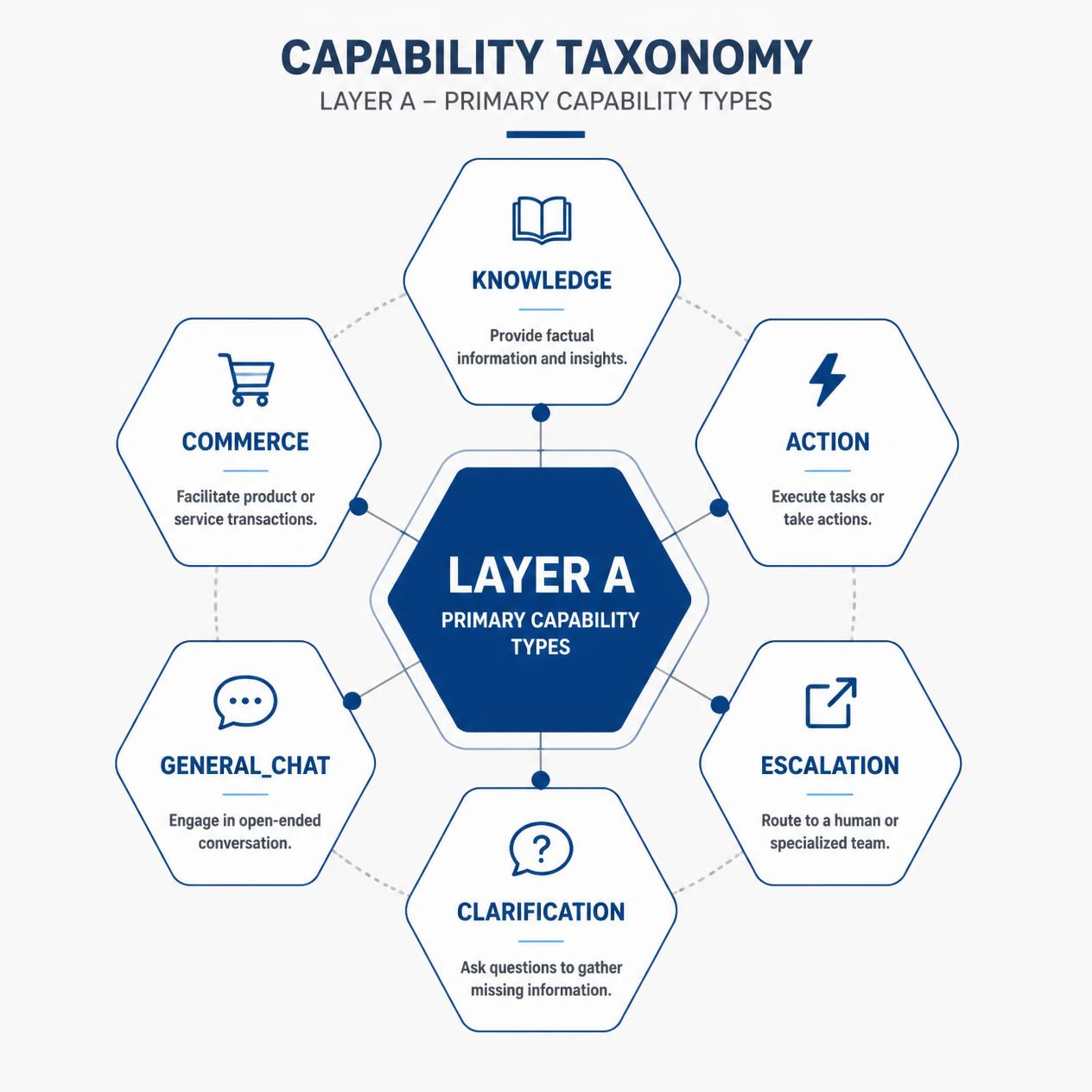
Related
Continue exploring.
Release note: Embedding, Organization AI, and ICL-1
The July 2026 Atina Labs content refresh documents embed setup, organization training, ICL-1 routing, embedded RAG architecture, infrastructure capacity, and a latency-based speech decision.
Embedded agent RAG architecture
The upgraded Atina Embed architecture: domain context, ICL-1 routing, knowledge retrieval, product feed search, read-only live tools, escalation, response generation, and analytics.
Embedding Atina on third-party sites
A practical guide to launching Atina Embed: choose the right plan, create an embed app, authorize domains, configure capabilities, copy the SDK snippet, and test before production.